How to Choose the Right Formal Shirt Fit
Fabric, colour and collar all matter, but fit decides whether a formal shirt looks considered or borrowed. Here is how to read it, point by point, in the mirror.
Options Mall Menswear Journal — Mumbai
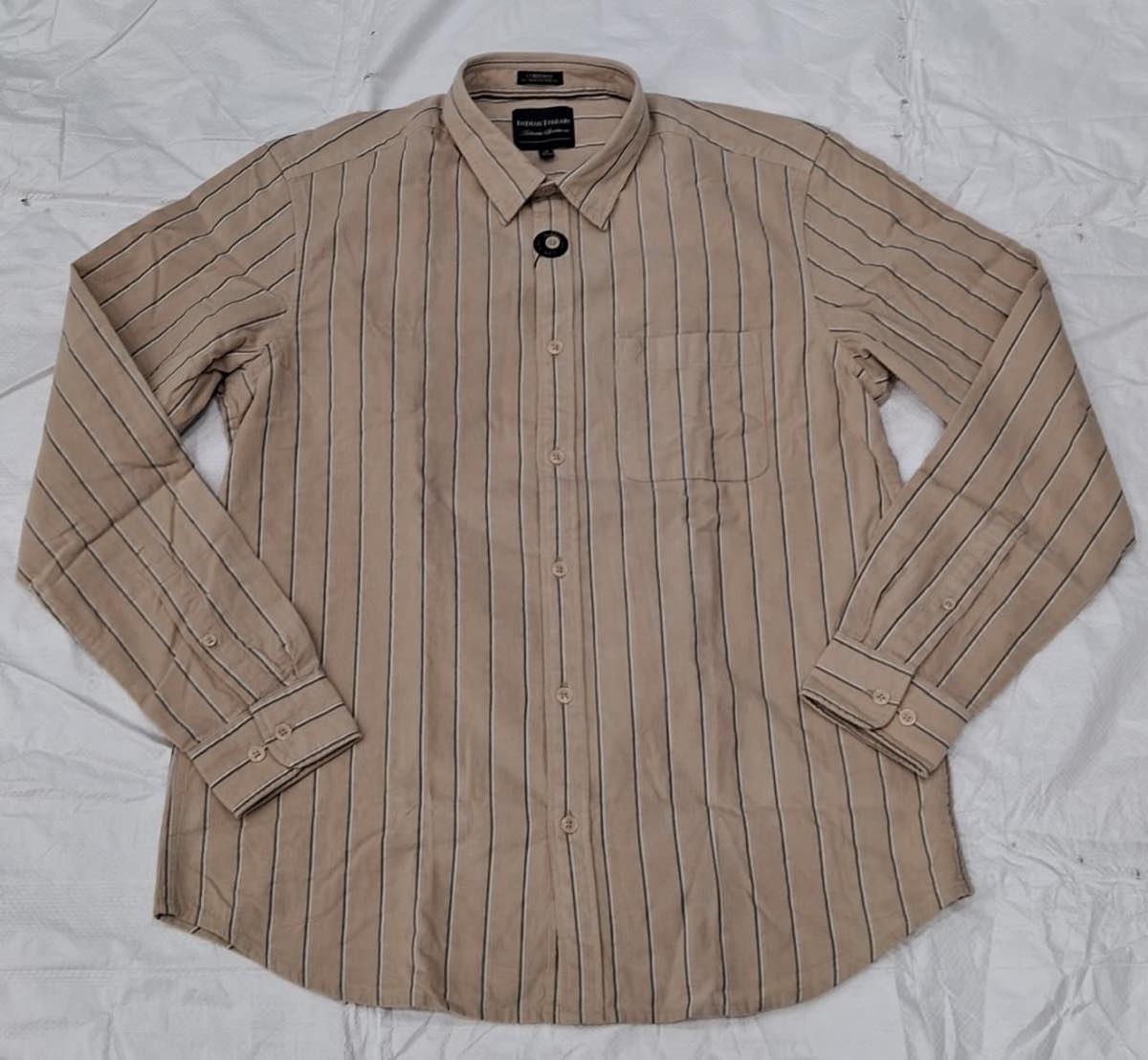
Most men judge a shirt by its colour first. It is the obvious thing: you see the shade on the shelf, you imagine it with your navy trousers, and you decide. Yet the shirts that make someone look quietly assured in a meeting room are rarely the most striking ones. They are the ones that fit. A plain white shirt that sits cleanly at the shoulder and follows the body without pulling will always look better than an expensive one that billows at the waist or strains at the buttons. Fit is the foundation of men's formal shirts, and it is also the part most people never learn to read properly.
This essay breaks fit down into the few points that genuinely matter, in the order you should check them. None of it requires a tape measure or tailoring knowledge, only a mirror, a little patience and a willingness to raise your arms in a fitting room.
Why fit comes before everything else
A formal shirt is worn close to the body and usually under a jacket or with a tucked-in waist, so every excess fold or tight seam is visible. In office wear, where the palette is often restrained and the silhouette simple, fit carries more of the visual weight than it would in casual clothing. A well-fitted shirt makes the shoulders look squared, the torso tidy and the collar sharp. A poorly fitted one makes even good fabric look tired.
There is also comfort to consider. A shirt that is too tight across the back will pull every time you reach for a file or a steering wheel; one that is too loose will keep escaping the waistband. The right fit is not about looking as slim as possible. It is about balance: enough room to move and breathe through a long Mumbai working day, and enough shape to look intentional.
The right fit is not the tightest one. It is the one you stop noticing by mid-morning.
Start at the shoulders
The shoulder is the one area that cannot be easily altered, so check it first. The seam where the sleeve joins the body should sit at, or very close to, the edge of your shoulder bone. If it drops down onto the upper arm, the shirt is too large for your frame, and no amount of tapering at the waist will rescue it. If the seam rides up towards your neck and the fabric pulls across the top of the arm, it is too small.
Look at the back as well. A small amount of fullness across the shoulder blades is normal and helps you move; many shirts include pleats at the back yoke for exactly this reason. What you want to avoid is deep horizontal creases running from shoulder to shoulder, which signal the shirt is straining.
Chest and waist: room without excess
Button the shirt fully and stand naturally. The front placket should lie flat. If the fabric pulls into an X shape around the buttons, or you can see gaps opening between them, the chest is too tight. Now take a pinch of fabric at each side of the chest: a couple of centimetres of spare cloth is comfortable for most builds, while a large handful suggests the shirt is cut too generously for you.
The waist is where fit styles differ most. Some shirts are cut straight down from the chest; others are tapered so the cloth follows the narrowing of the torso. If you are broad in the chest but trim at the waist, a straight-cut shirt will leave you with excess fabric bunching above the belt. If your midsection is fuller, a strongly tapered shirt will pull at the lower buttons. The common fit problems section of our fit guide shows these patterns in detail.
The tuck test
Tuck the shirt into a pair of formal trousers and sit down. A good fit will settle without ballooning over the waistband or pulling free. If it billows, the waist has too much room; if it untucks as soon as you sit, the shirt may be too short or too tight through the hips.
Sleeves and cuffs
Sleeve length is often overlooked, yet it is one of the clearest signs of a well-chosen shirt. With your arms relaxed at your sides, the cuff should reach roughly the point where your wrist meets your hand. When you wear a jacket, a small sliver of cuff should show beyond the sleeve. Too short and the cuff disappears when you lift your arms; too long and the fabric gathers in folds above the hand.
Sleeve width matters too. The upper arm should have room to bend without the fabric tightening around the bicep, but the sleeve should not flap. The cuff itself should be snug enough that it does not slide down over your hand when buttoned, yet loose enough to sit over a watch if you wear one. Our essay on understanding formal shirt cuffs covers cuff styles and how they affect this fit.
The collar and neck
Button the collar fully, even if you rarely wear a tie. You should be able to slide one or two fingers comfortably between the collar band and your neck. Any tighter and the collar will pinch and wrinkle; any looser and it will gape, especially under a tie, where it shows immediately.
The collar's proportions also affect how the whole shirt reads. Larger collar points tend to balance a broader face and frame; smaller, neater collars suit slighter builds. The collar studio and our essay on how to choose the right shirt collar go further into collar styles and their effect on the face.
Shirt length
Formal shirts are designed to be tucked in, so they are generally cut longer than casual shirts, often with a curved hem that dips at the front and back. The shirt should be long enough to stay tucked when you raise your arms or bend down. A simple check: lift both arms overhead in front of the mirror. If the hem rises clear of the waistband, the shirt is too short for confident everyday office wear.
- Shoulders: seam at the shoulder edge, no pulling across the back.
- Chest: buttons lie flat, no X-shaped pulling.
- Waist: minimal bunching once tucked; no strain at the lower buttons.
- Sleeves: cuff at the wrist bone with arms relaxed; room to bend the elbow.
- Collar: one or two fingers of space when fully buttoned.
- Length: stays tucked when you raise both arms.
Matching fit styles to your build
Once you know how a shirt should sit, the various fit labels become much easier to navigate. Names vary between brands, so treat them as starting points rather than guarantees, and always try the shirt on.
Slim fit
A slim fit shirt is tapered through the chest and waist, with narrower sleeves. It suits lean and athletic builds well and looks particularly sharp under a fitted blazer. If you are broader through the middle, a slim fit may pull at the buttons.
Regular fit
A regular fit offers a straighter line with more room in the body. It suits most builds, is comfortable over a long day and is a reliable choice for men's corporate shirts worn every day.
Classic and contemporary fits
A classic fit is the most generous, with fuller sleeves and a relaxed body, often favoured by men who prioritise comfort or have a larger frame. A contemporary fit sits between regular and slim, with some shaping at the waist but without the close cut of a true slim fit.
If you are deciding between the two most common options, our essay on slim fit vs regular fit shirts compares them side by side, and the formal shirt index shows each in context.
Choosing well: a short conclusion
Fit is not a fixed number on a label; it is the relationship between a shirt's cut and your particular shape. Check the shoulders first because they cannot be changed. Then read the chest, waist, sleeves, collar and length in turn. Choose the fit style that suits your build rather than the one that sounds most fashionable, and remember that comfort and sharpness are not opposites when the proportions are right.
A few practical habits help. Try shirts on with the kind of trousers you actually wear to work. Move in them: sit, reach and lift your arms. Pay attention to how the shirt looks after a few minutes rather than the moment you button it. And if a particular fit works, note it, so your next purchase is easier. Shirt construction, from yokes to pleats, also influences fit, which is explored in understanding shirt construction and details.
If you would like to try different fits in person, you are welcome to visit Options Mall in Vile Parle West or call +91 8369381345 to ask the team about current formal shirt styles.