The visual language of formal shirts — formal shirt colour combinations & patterns, decoded
Before anyone notices your collar, your cuffs or the cut of your trousers, they read colour. Then they read pattern. This chapter of The Shirt Code studies both — eight shirt colours and seven pattern families — and shows how each one behaves with trousers, jackets and ties, by daylight and after dark.
Each colour below is printed at full bleed so you can judge it as a field, not a dot. Each pattern is drawn in pure CSS at three viewing distances, because the same stripe that looks bold across a desk can read almost solid across a room.
Part one — Colour
Eight shirt colours, read at full scale
Colour sets the temperature of an outfit. A pale shirt opens the face and lifts a dark suit; a deep shirt adds weight and moves the look towards evening. These eight cover nearly every professional situation.
- Look diagrams. Jacket, shirt, tie and trousers as four blocks of colour. Where the jacket colour matches the shirt, the look is worn without a jacket.
- Day / evening dial. Where the colour sits most comfortably between a bright working morning and a formal evening.
C/01 CLR.WHT — The universal base
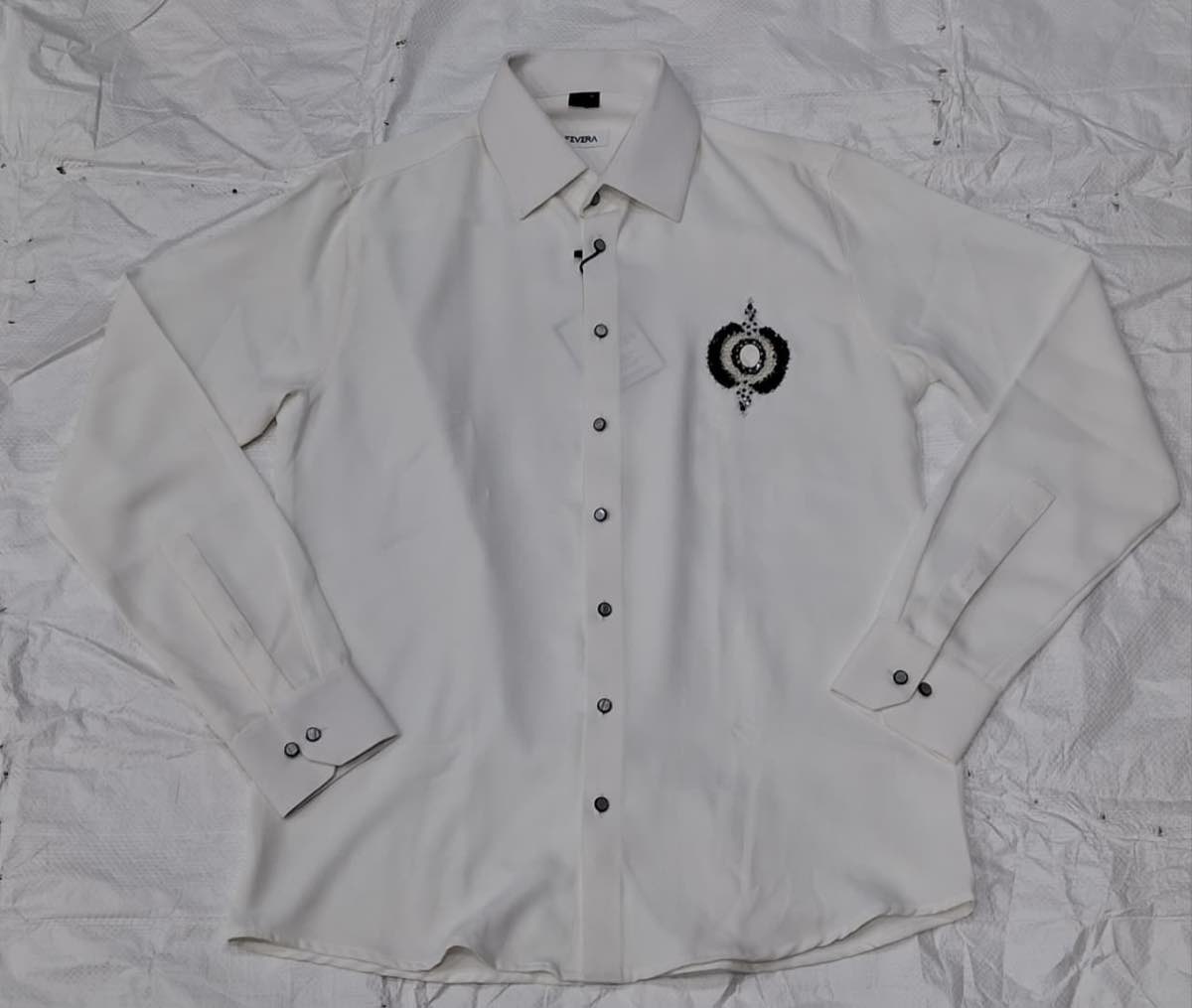
White formal shirts — the foundation
White is the cleanest light a shirt can reflect. It sharpens the contrast with any jacket, makes skin look fresh and gives a tie the clearest possible background.
In professional dressing it is the one colour that is never wrong: interviews, board meetings, weddings and evening events all accept it. Its only weakness is that it shows everything — a slightly yellowed collar or a tired cuff is far more visible on white than on blue, so white shirts reward careful laundering and rotation.
- Trousers
- Everything: navy, charcoal, mid-grey, black, beige and khaki. Navy and charcoal look most formal; beige makes it summery.
- Jacket
- Navy and charcoal are the classic frames. A black jacket with a white shirt is the starkest, most formal contrast.
- Tie
- Any colour works. Navy, burgundy and silver-grey are businesslike; a knitted or textured tie relaxes it.
- Day / evening
- Equally at home in both. By day it reads crisp; at night under a dark suit it reads ceremonial.
- Navy jacket, grey trousers, burgundy tie
- Charcoal suit, steel-blue tie
- No jacket, beige trousers, open collar
C/02 CLR.LBL — The working colour
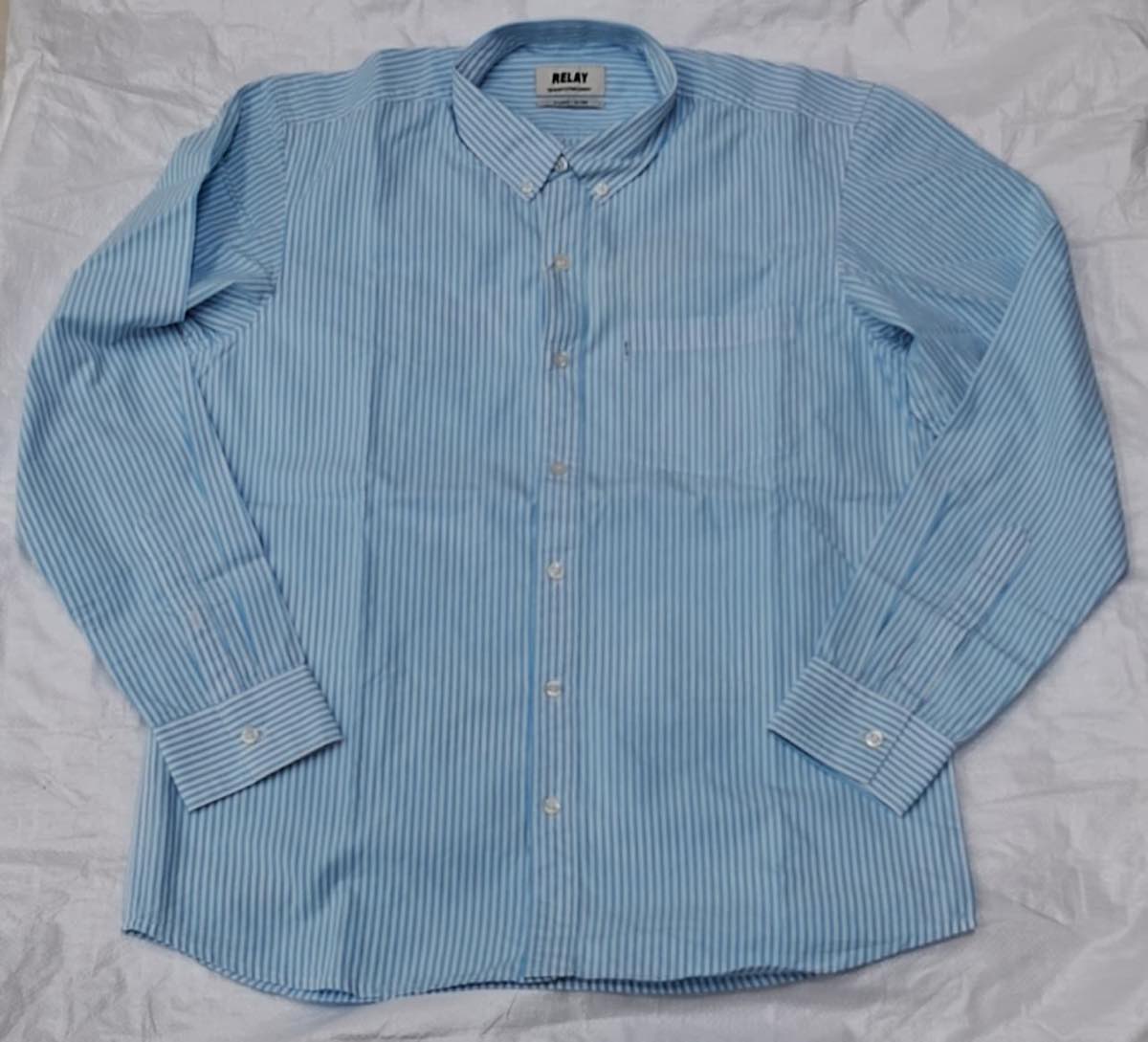
Light blue — the office favourite
If white is the formal base, light blue is the everyday one. It has the same freshness with less glare, and it flatters a wide range of complexions.
Light blue sits naturally in offices because it is calm, quietly confident and forgiving: it hides the small marks of a long day better than white. It works with almost every trouser and makes navy and grey tailoring look deliberate rather than default. For a wider look at the colour, read Blue Formal Shirts and Their Styling Possibilities.
- Trousers
- Navy, charcoal, mid-grey, beige and khaki. With black trousers keep the rest sober.
- Jacket
- Navy for tonal depth, grey for a cooler business look, a brown or tan jacket for relaxed warmth.
- Tie
- Navy, burgundy, deep green or a darker blue for a tonal knot. Avoid a tie the same pale shade as the shirt.
- Day / evening
- A daytime colour first. For evening, deepen the jacket and tie rather than changing the shirt.
- Navy suit, tonal navy tie
- Grey jacket, charcoal trousers, burgundy tie
- No jacket, khaki trousers
C/03 CLR.NVY — Depth without severity
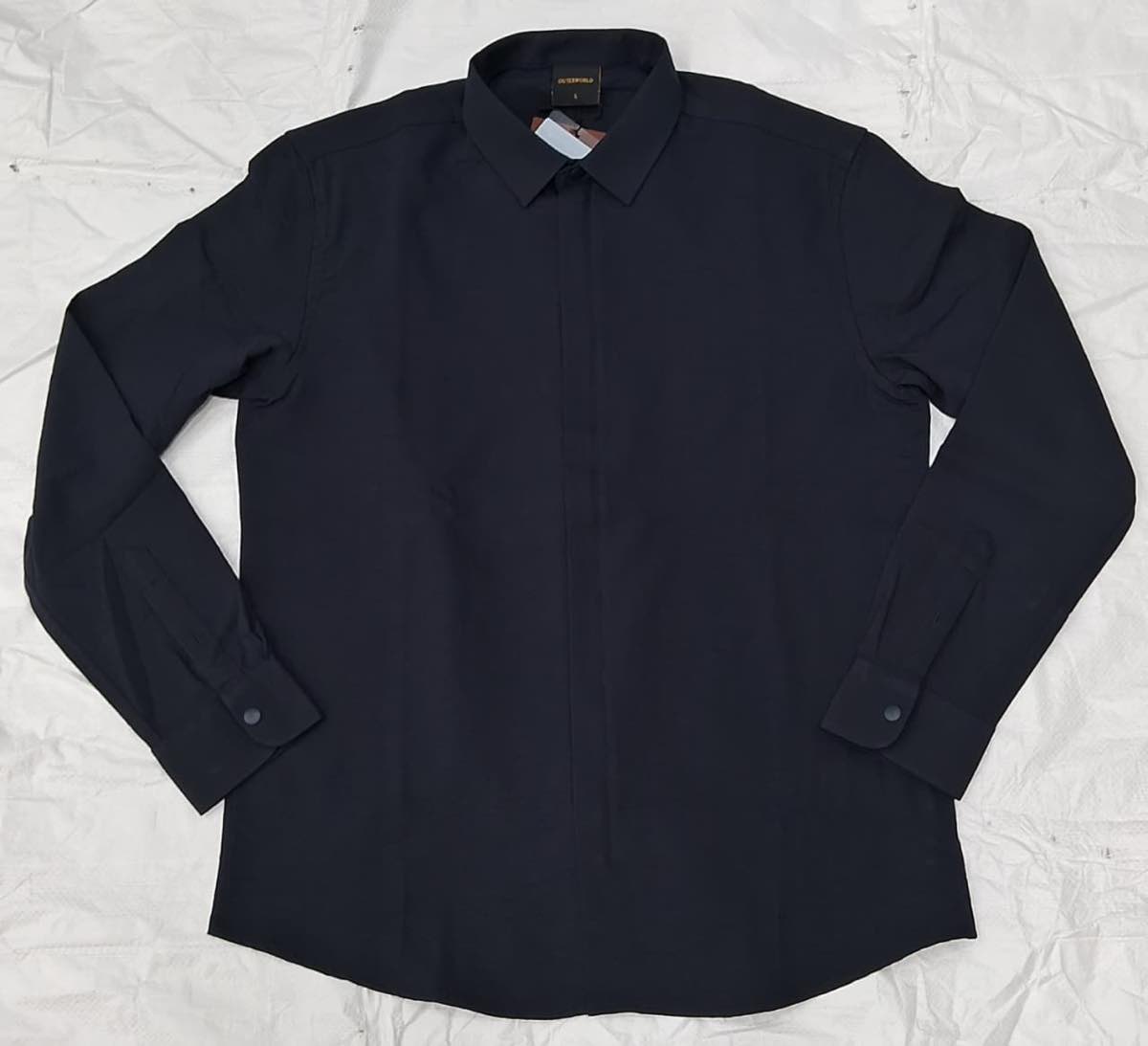
Navy — the dark shirt that still works at the office
Navy gives a shirt gravity. It looks composed rather than dramatic, which is why it is the most office-friendly of the dark shirt colours.
A navy shirt reverses the usual order of light shirt and dark jacket, so it needs a little thought. It is excellent on its own with lighter trousers, and it can be worn under a grey or beige jacket when the jacket is clearly lighter. Under a navy suit it becomes tonal and modern; keep the tie in a contrasting texture rather than a contrasting colour if you go that route.
- Trousers
- Mid-grey, light grey, beige, stone and khaki are the easiest. Charcoal works; black is possible but heavy.
- Jacket
- Lighter grey or tan for contrast, or a navy suit for a tonal evening look.
- Tie
- Optional. If worn: silver-grey, muted gold, or a darker navy knit. Avoid very dark ties that disappear.
- Day / evening
- Comfortable in both; it leans towards evening and towards Friday.
- No jacket, light grey trousers
- Grey jacket, charcoal trousers, silver tie
- No jacket, stone chinos
C/04 CLR.PNK — Warmth, quietly
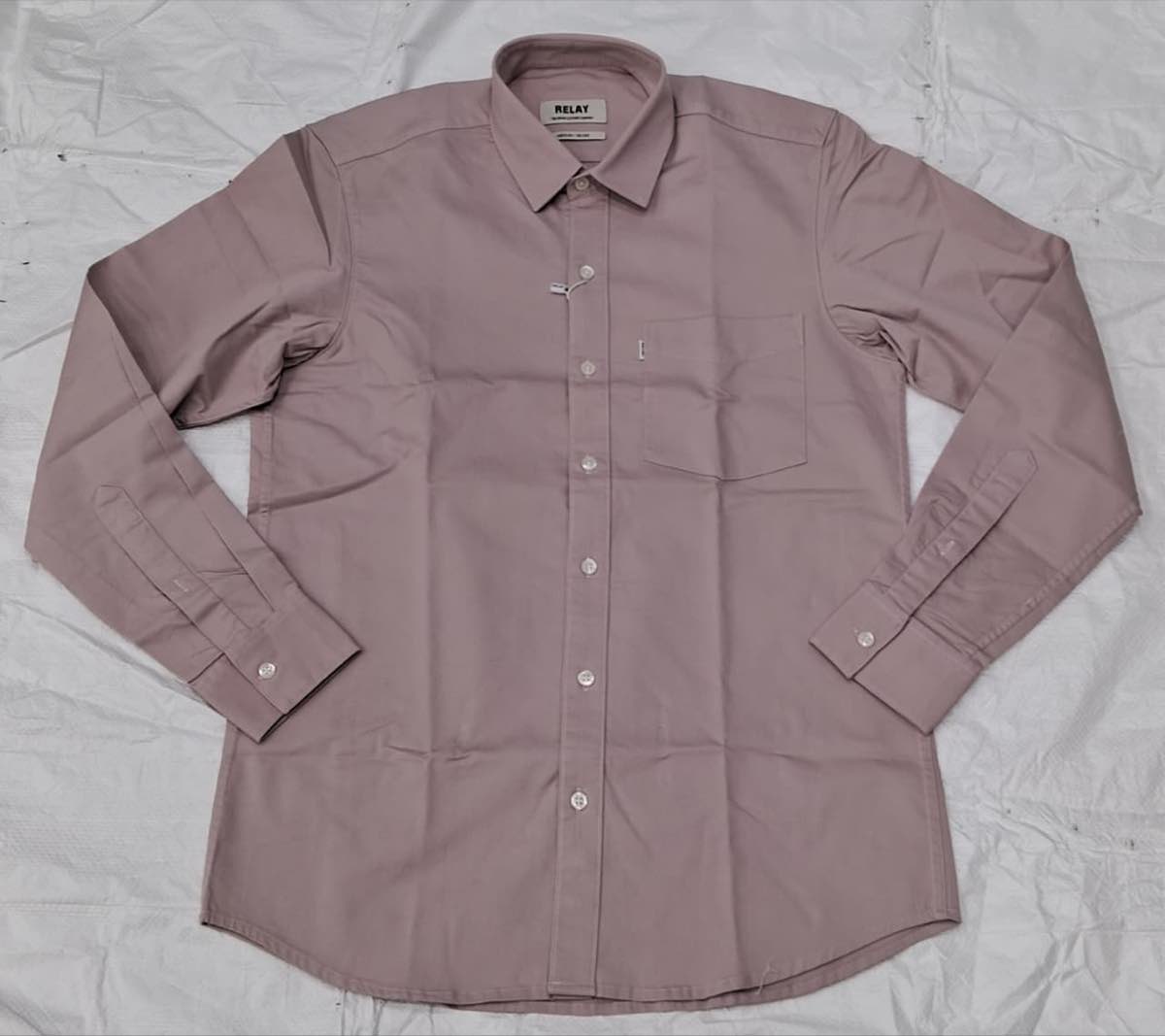
Pale pink — confident and approachable
A soft pink shirt adds warmth to the face and to an outfit without asking for attention. It is one of the most useful second colours after white and blue.
Pink has long been part of classic business dressing, and in its paler, dustier forms it reads as assured rather than loud. It shines beside navy and grey, which cool it down, and it makes a plain charcoal suit feel friendlier in client meetings. Keep the shade muted for the office; brighter pinks belong to weekends and celebrations.
- Trousers
- Navy, charcoal and mid-grey first; beige for a summery, relaxed version.
- Jacket
- Navy is the natural partner. Grey works well; avoid brown jackets, which can muddy the pink.
- Tie
- Navy, burgundy or deep plum. A navy tie with small pink dots is the classic tonal echo.
- Day / evening
- A daytime colour that carries into early evening under navy.
- Navy jacket, grey trousers, navy tie
- Charcoal suit, burgundy tie
- No jacket, navy trousers
C/05 CLR.LAV — The modern alternative
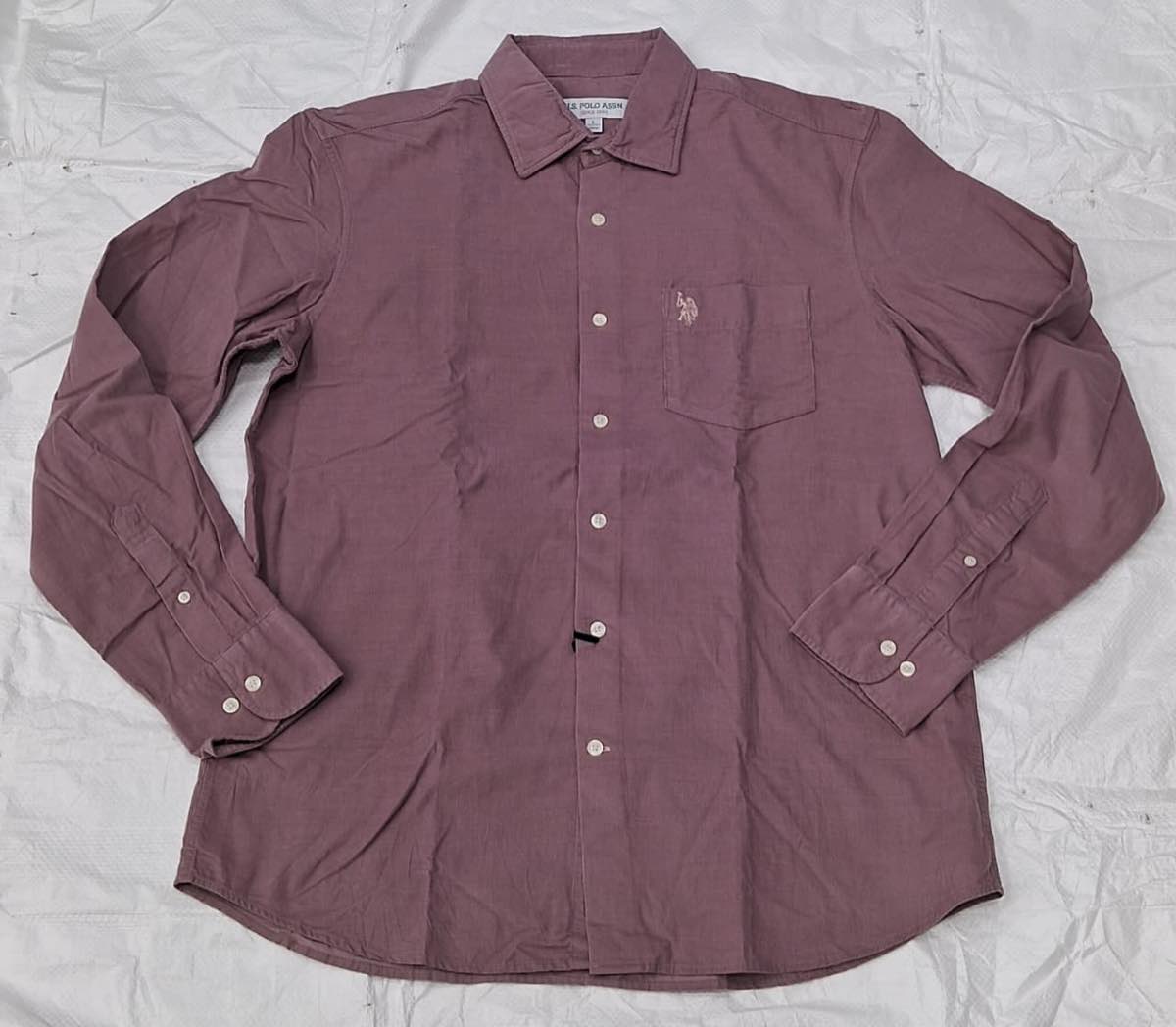
Lavender and mauve — distinct without being loud
Lavender sits between blue and pink, and borrows the best of both: the coolness of blue, the warmth of pink. It is a quiet signal that the wearer chose his shirt rather than grabbed it.
Pale lavender is office-ready; deeper mauve, as in the shirt shown, has more character and suits creative workplaces, client lunches and evenings. Grey is its best friend — charcoal and mid-grey tailoring make lavender look sophisticated — and navy keeps it businesslike.
- Trousers
- Charcoal and mid-grey above all, then navy. Beige works with paler lavender only.
- Jacket
- Grey and charcoal; navy for a more conservative read.
- Tie
- Deep purple, navy, silver or charcoal. Tonal purple-on-lavender is elegant if the tie is clearly darker.
- Day / evening
- Pale lavender by day; deeper mauve moves gracefully into the evening.
- Charcoal suit, deep purple tie
- Navy jacket, grey trousers, silver tie
- No jacket, charcoal trousers
C/06 CLR.GRY — Calm, cool, precise
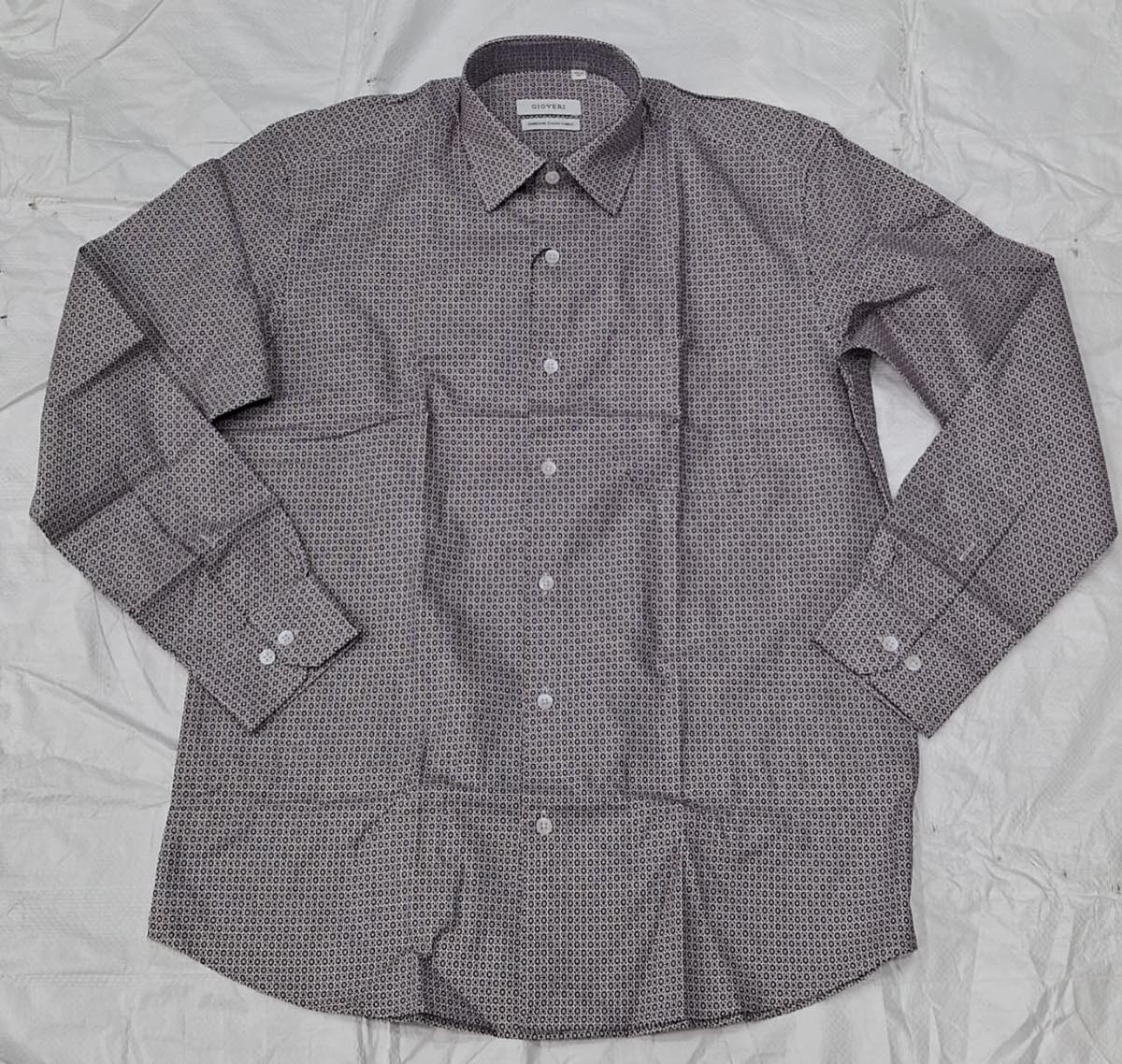
Grey — the understated professional
A grey shirt is neutral in the truest sense. It neither brightens nor darkens the face much, so it relies on the colours around it to set the mood.
Light and mid-grey shirts look composed and modern, particularly in a micro-check or fine texture that adds depth from close up. Because grey is cool, it is sharp with black and navy and slightly soft with brown. The one trap is grey on grey of the same value — choose trousers clearly darker or lighter than the shirt.
- Trousers
- Black, navy and charcoal for contrast; white or cream trousers for a crisp summer look.
- Jacket
- Navy and black frame it best; a charcoal suit gives a sleek tonal look if the shirt is clearly lighter.
- Tie
- Black, navy, burgundy or a deep teal. A pink or lilac tie warms grey up for a celebration.
- Day / evening
- Neutral by day; with black trousers and a dark tie it becomes an evening shirt.
- Black suit, black tie — evening
- Navy suit, burgundy tie
- No jacket, black trousers
C/07 CLR.BLK — After dark
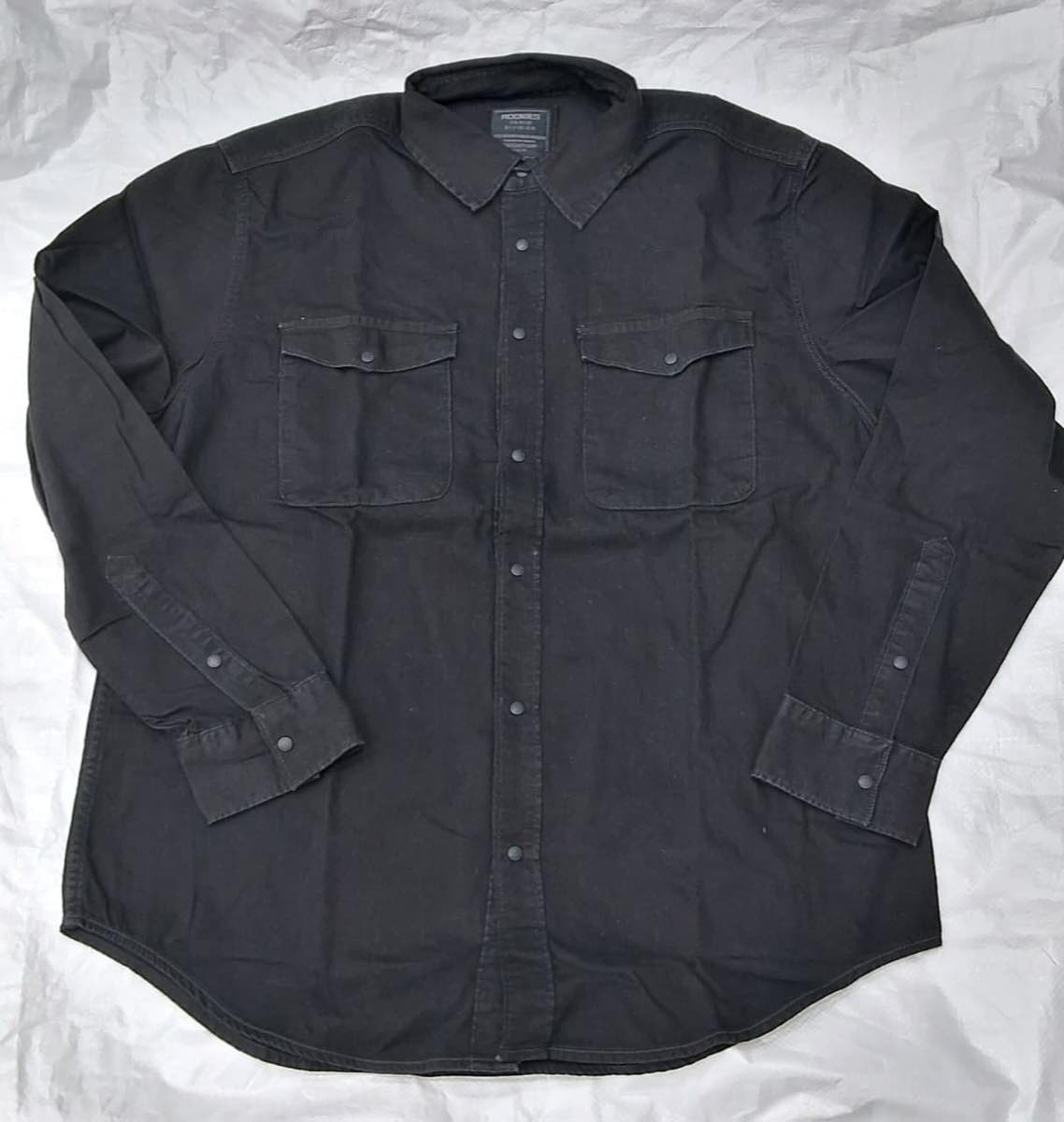
Black — dramatic, best kept for the evening
A black shirt absorbs light and makes everything around it look sharper. That intensity is its gift and its limit.
In most offices a black shirt feels more like evening wear than business wear, and details such as chest flap pockets — visible on this charcoal-black example — push it further into smart-casual territory. Wear it to dinners, events and creative workplaces. Keep the rest simple: one strong colour is enough, and very dark shirts look best when the trousers are clearly lighter or deliberately matched.
- Trousers
- Charcoal, mid-grey and black for a tonal look; stone or light grey for contrast.
- Jacket
- A black or charcoal suit for formal evenings; a grey jacket for a softer version.
- Tie
- Often better without. If worn: silver, charcoal or black in a satin or knitted texture.
- Day / evening
- Evening, almost entirely. By day it can look heavy, especially in strong sunlight.
- Charcoal suit, silver tie
- No jacket, light grey trousers
- Grey jacket, black trousers, open collar
C/08 CLR.NTL — Cream, sand, stone
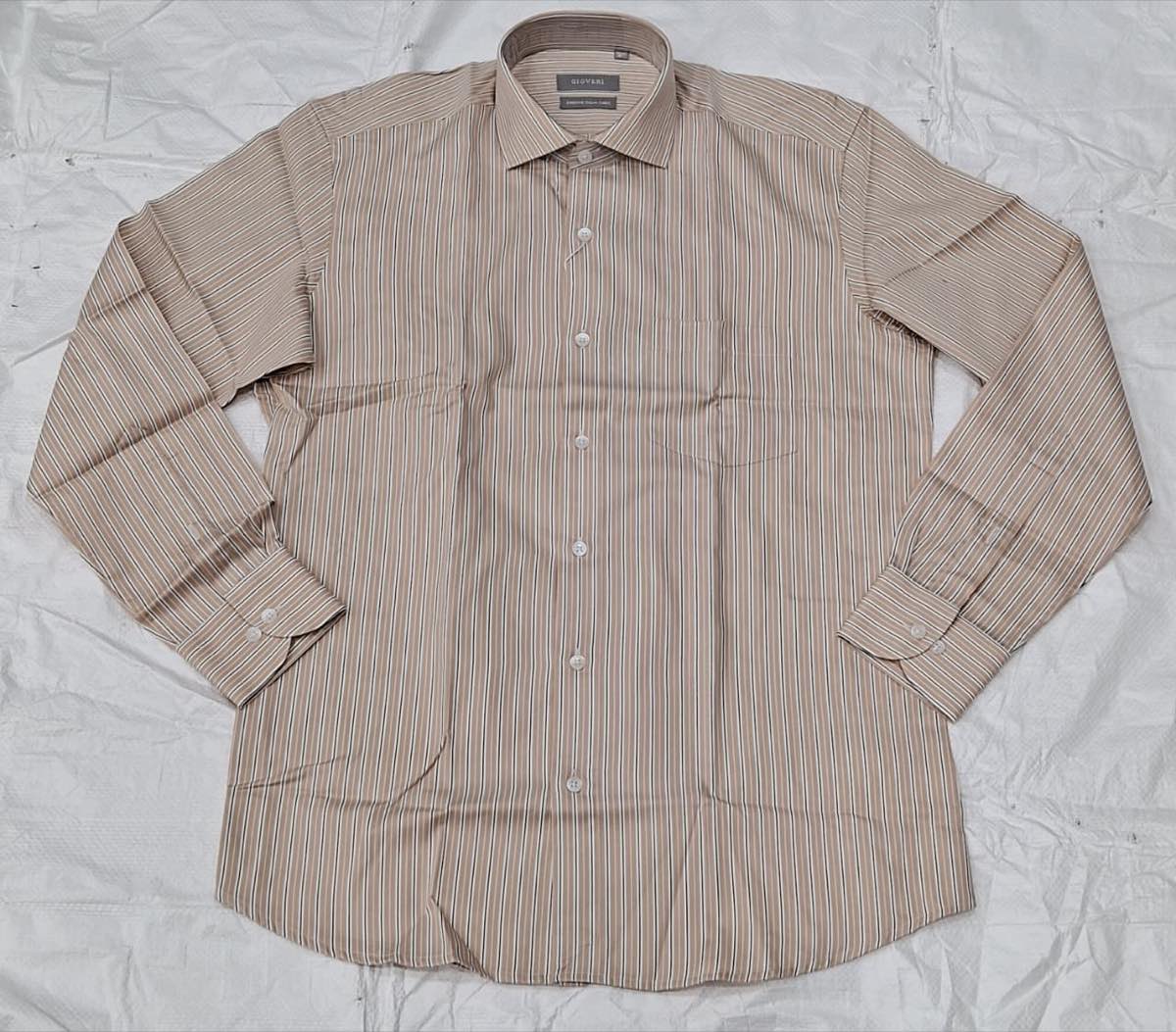
Neutrals — cream, beige and stone
Warm neutrals are the relaxed relatives of white. They soften contrast, suit warm weather and give tailoring an easy, sunlit feel.
Cream and beige shirts work especially well in a humid city like Mumbai, where a softer, warmer palette often looks more natural than stark white. They pair beautifully with brown leather and earthy trousers. In formal settings, keep them to fine stripes or solid weaves, and frame them with navy or brown tailoring so the look stays intentional.
- Trousers
- Navy, brown, olive and darker khaki. Avoid trousers of exactly the same beige.
- Jacket
- Navy for contrast, brown or tan for a tonal, warm look.
- Tie
- Brown, olive, navy or rust, ideally in a matte or knitted texture.
- Day / evening
- Daytime and warm-weather colours. For evening, deepen everything around them.
- Navy jacket, cream trousers, brown tie
- No jacket, brown trousers
- No jacket, olive trousers
Interlude — Light, medium, dark
The contrast rule
Most good formal shirt colour combinations follow one simple order: the shirt is the lightest piece, the jacket is the darkest, and the tie sits between them or below them.
That ladder of values is why a white shirt, a burgundy tie and a navy suit look so settled. You can break the rule — a navy shirt under a light grey jacket reverses it on purpose — but you should break it knowingly. When in doubt, squint at the outfit: if two pieces merge into one block of the same depth, change one of them.
Formal shirts with trousers, blazers and ties: the Styling Guide- 01ShirtLightest value — white, pale blue, pink
- 02TrousersMiddle value — mid-grey, khaki
- 03TieRicher, deeper — burgundy, navy
- 04JacketDarkest frame — navy, charcoal
Part two — Pattern
Seven patterns: scale, contrast & colour
A pattern is never just a pattern. Three dials decide how it reads — how big it is, how strongly it contrasts with the ground, and what colours it uses. Turn any one of them and the same shirt moves up or down the formality scale.
How scale and contrast change a shirt
Scale is the size of the repeat. Small repeats — hairline stripes, tiny checks — blur into a solid colour from a few steps away, so they read as formal. Large repeats stay visible across a room and read as relaxed and expressive.
Contrast is the difference between the pattern and its ground. White on pale blue is gentle; black on white is loud. Low contrast keeps a pattern businesslike even when it is fairly large.
Colour sets the mood. Blue, grey and navy patterns sit comfortably in the office; brown, olive and rust warm a shirt and nudge it towards smart-casual; brighter colours such as coral make it feel seasonal.
Rule The more formal the occasion, the further you move towards the top-left of this grid.
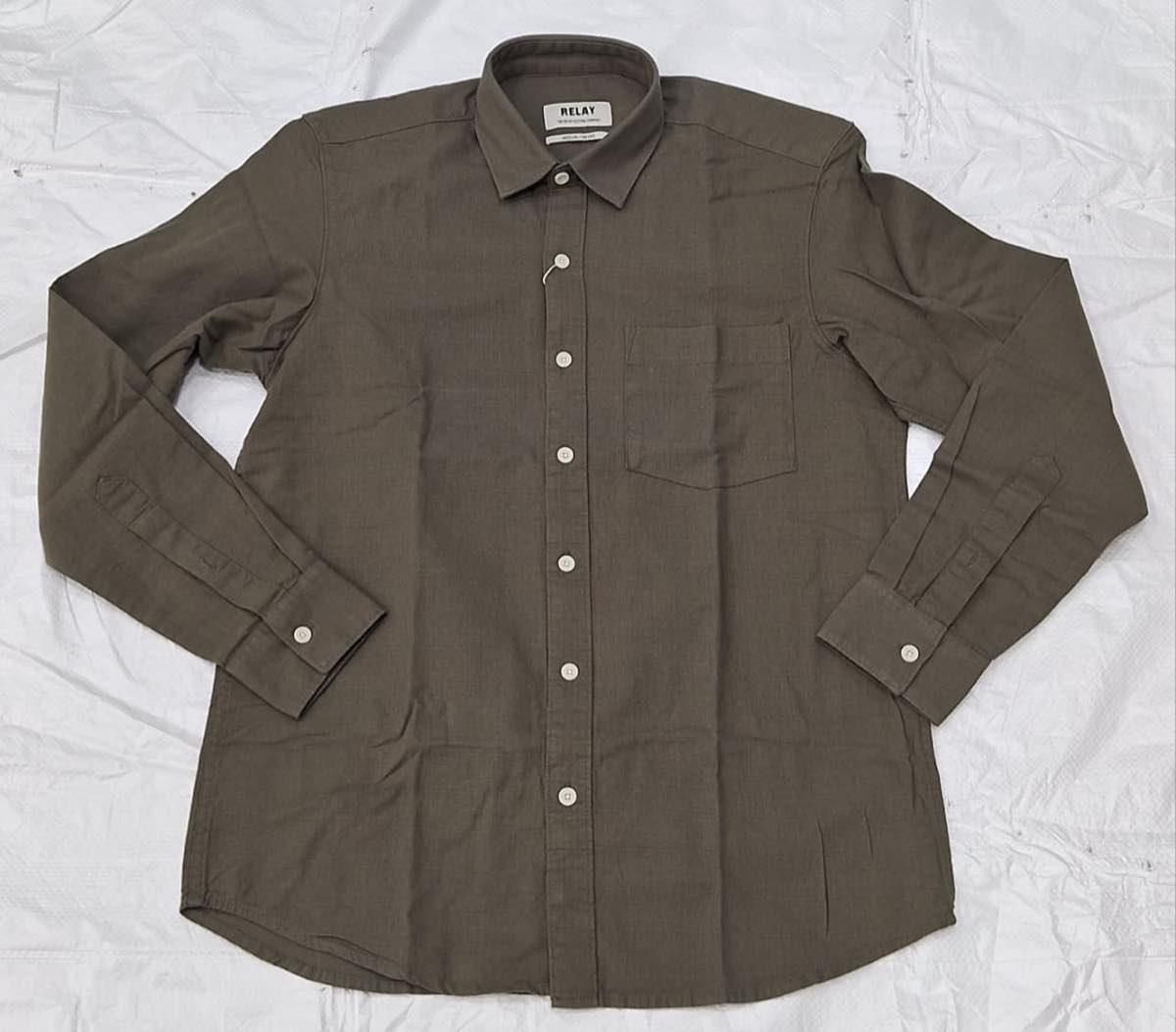
Solid
PAT.SOL — Scale: none · Contrast: none
The solid shirt is the purest canvas. With no pattern to read, the eye goes straight to colour, cloth and fit — which is why solids look most formal and why fit flaws show most clearly on them.
Solids are the easiest shirts to combine: almost any patterned tie or jacket sits happily on top. Even a strong colour like olive becomes wearable as a solid, because the surface stays calm. Look closely, though: many "solids" carry a fine twill, oxford or dobby texture that gives depth without pattern. Read more in the men's shirt fabric guide.
- Formality
- Highest — every dress code
- Pairs with
- Striped, checked or patterned ties; patterned jackets; any trousers in a contrasting value.
Viewed from three distances
- Close up
- Across a desk
- Across a room
Pinstripe
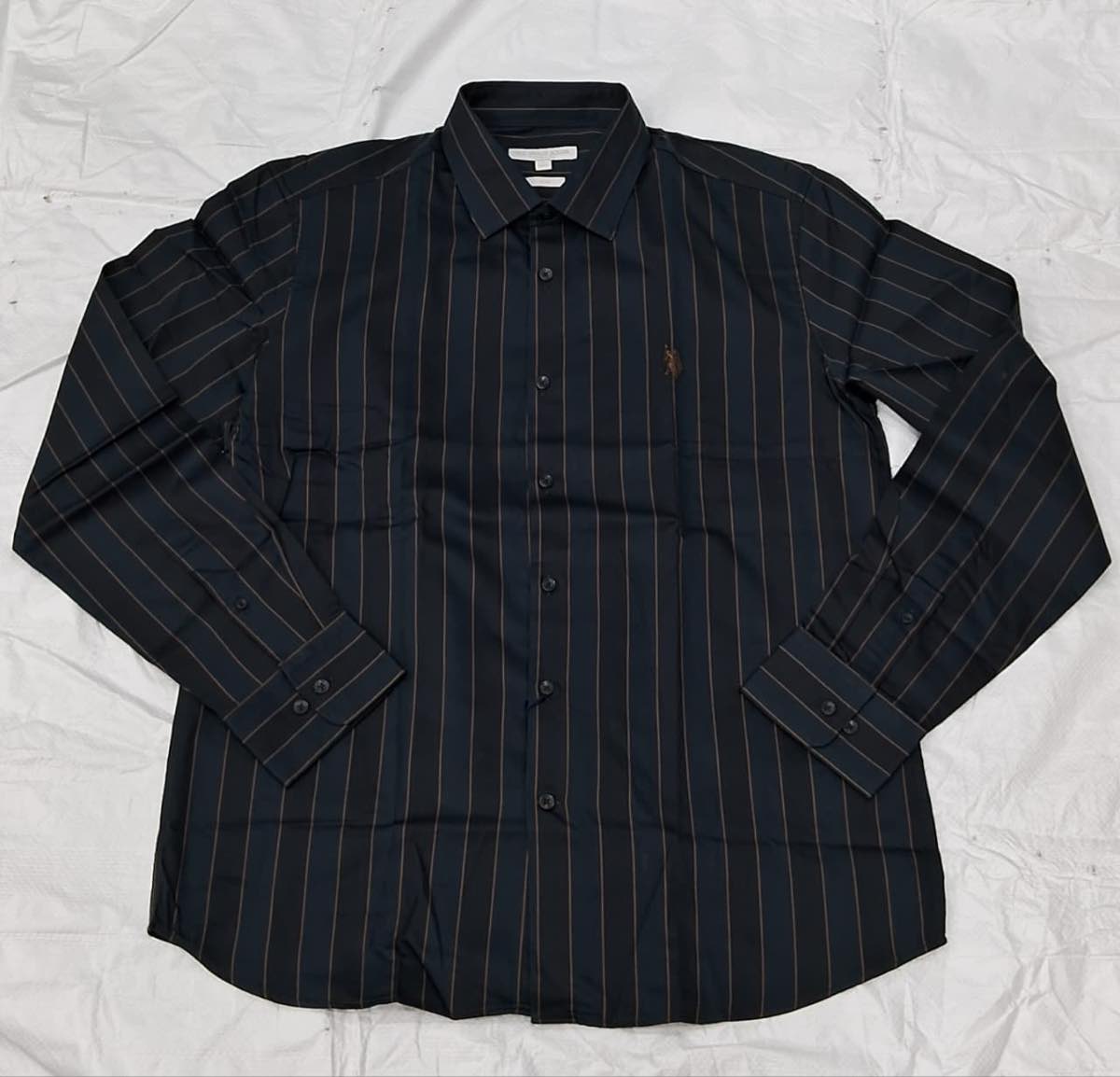
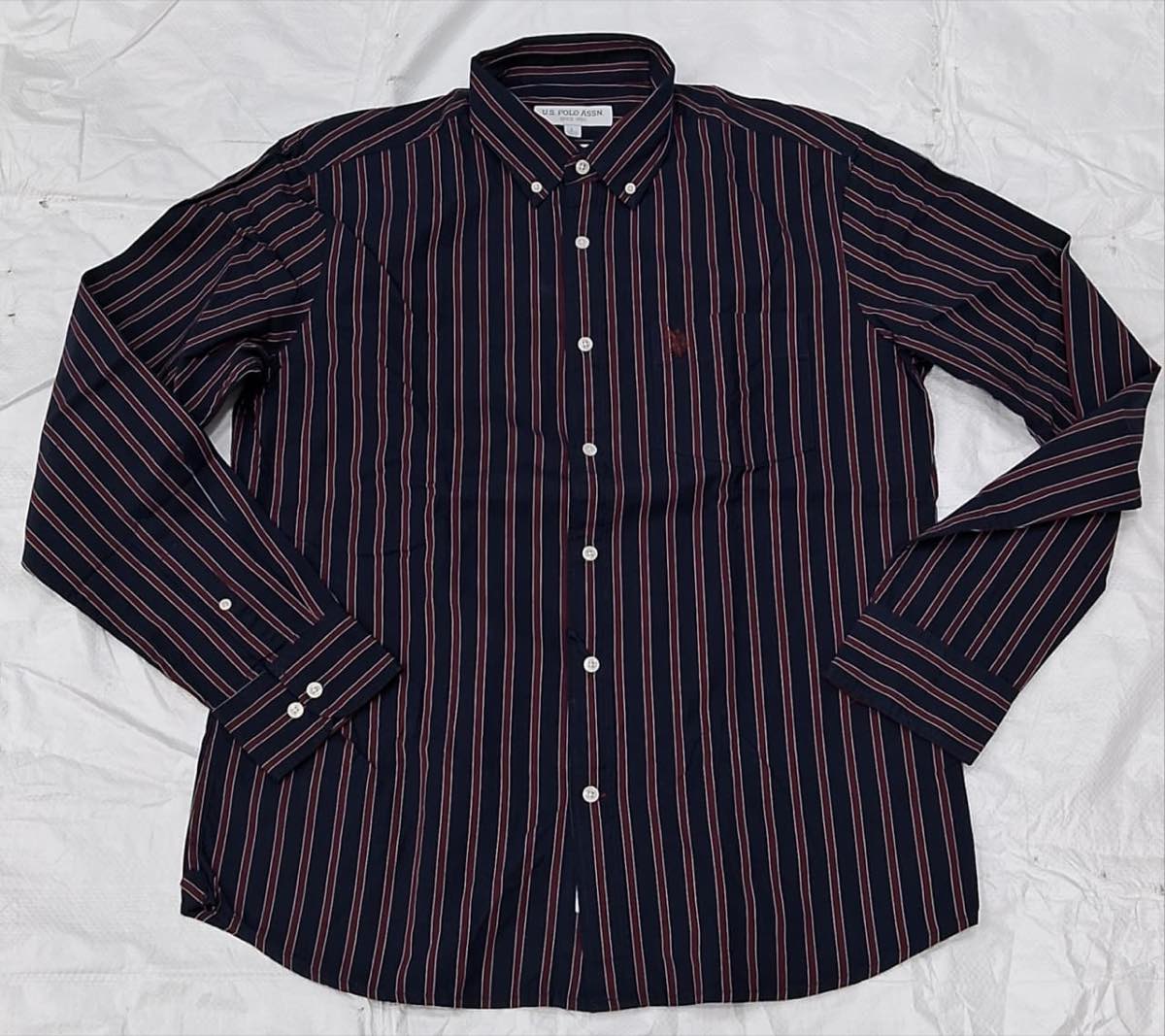
PAT.PIN — Scale: fine · Contrast: low to high
A pinstripe is a single fine line repeated at a regular interval. It adds vertical direction — lengthening the torso — while staying close to a solid in formality.
Pinstripes on a dark ground, like the two shown here, feel distinctly modern and work well in the evening or under a lighter jacket. On white or blue grounds they are among the most businesslike shirts you can wear. Because the stripe is so fine, the contrast can be quite high without the shirt becoming loud. Pair with a solid or subtly textured tie; a striped tie of a very different scale can work, but never one of the same width.
- Formality
- High — boardroom to dinner
- Pairs with
- Plain suits, solid knitted ties, grey and navy trousers. Compare with checks in Striped vs Checked Formal Shirts.
Viewed from three distances
- Close up
- Across a desk
- Across a room
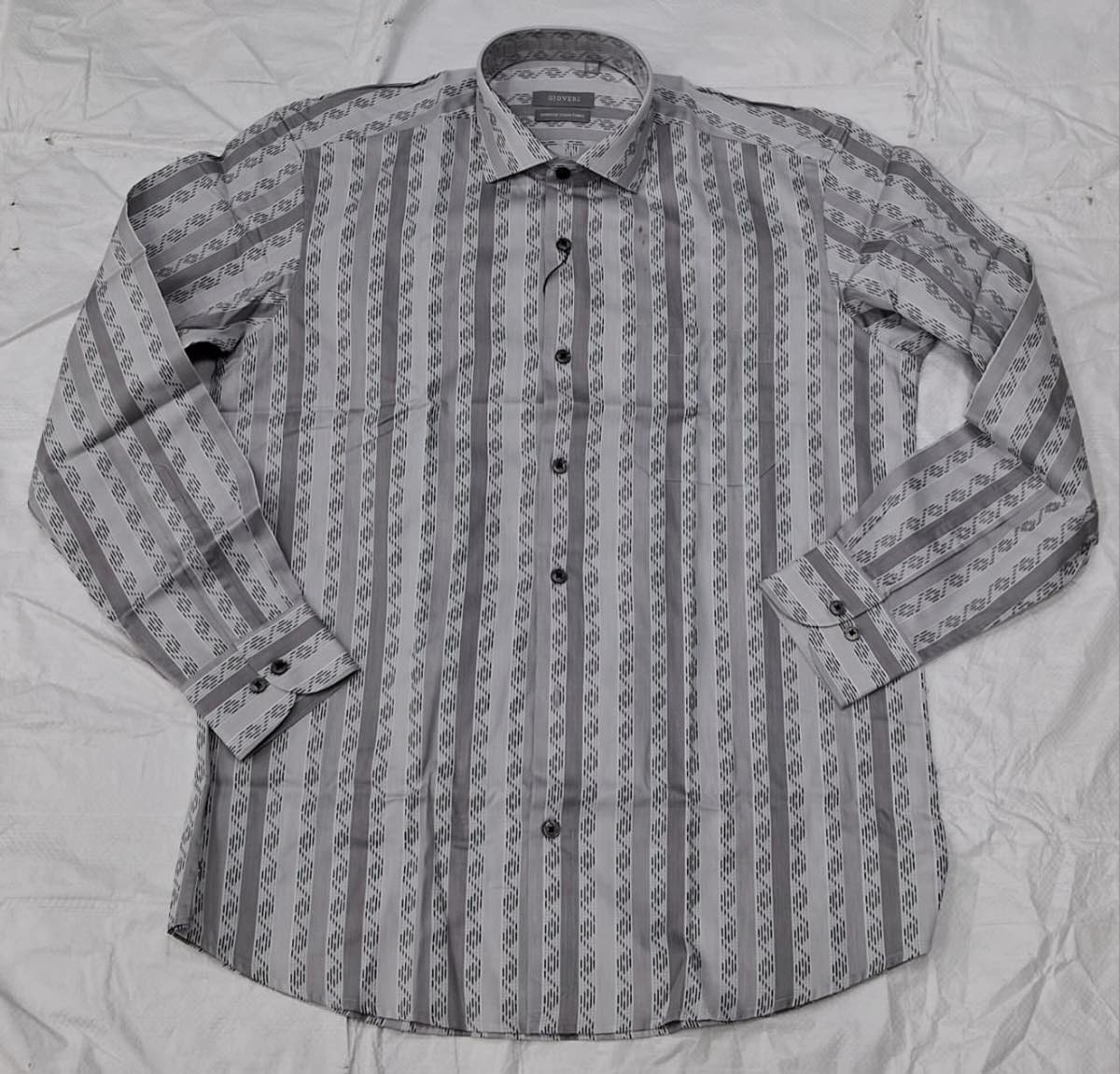
Bengal
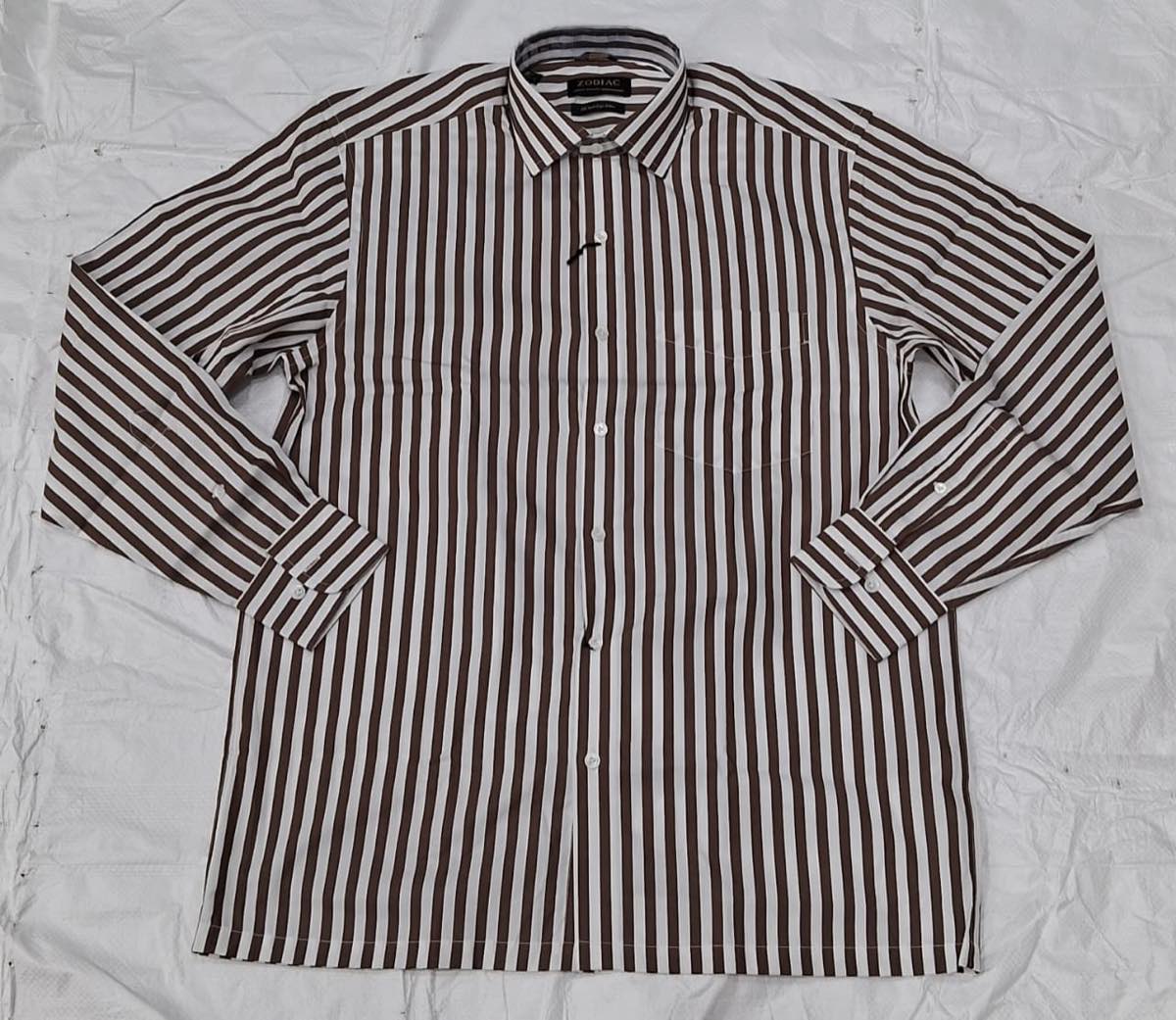
PAT.BNG — Scale: medium · Contrast: medium to high
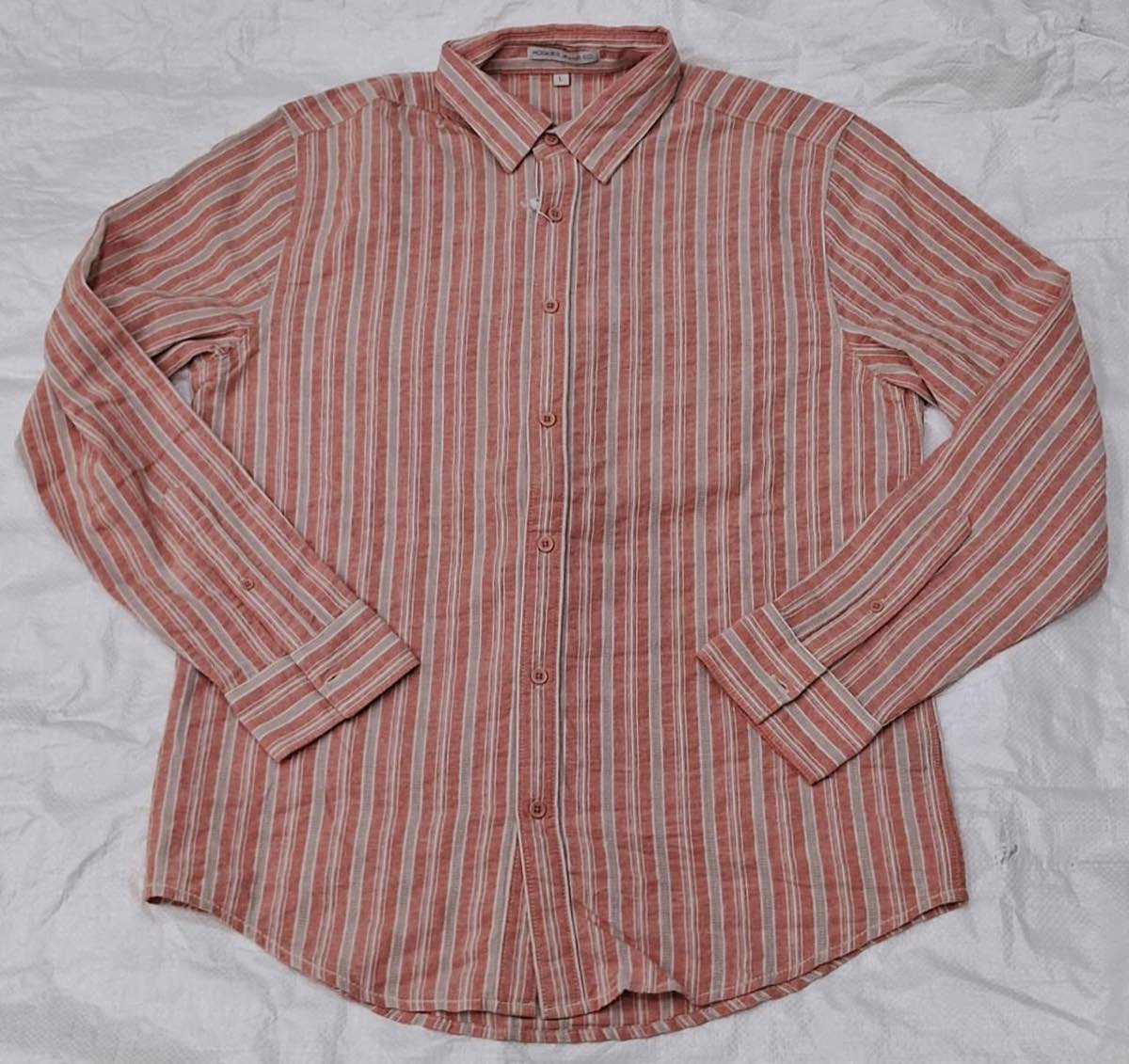
A Bengal stripe has bands of colour and white of roughly equal width. The result is bold, clear and energetic — a pattern you see from across a room.
In blue and white, a Bengal stripe is a confident office shirt. In brown, coral or other warm colours, like the two shown here, it becomes more relaxed and seasonal: perfect for a Friday, a lunch meeting or a summer wedding day. Because the stripe already carries a lot of visual weight, keep the tie plain and the jacket solid. Wearing it without a tie, collar open, is often the most natural choice.
- Formality
- Medium — business-casual to smart
- Pairs with
- Solid navy or beige trousers, plain jackets, solid ties in a deeper shade of the stripe.
Viewed from three distances
- Close up
- Across a desk
- Across a room
Fine checks
PAT.FCK — Scale: small · Contrast: low to medium
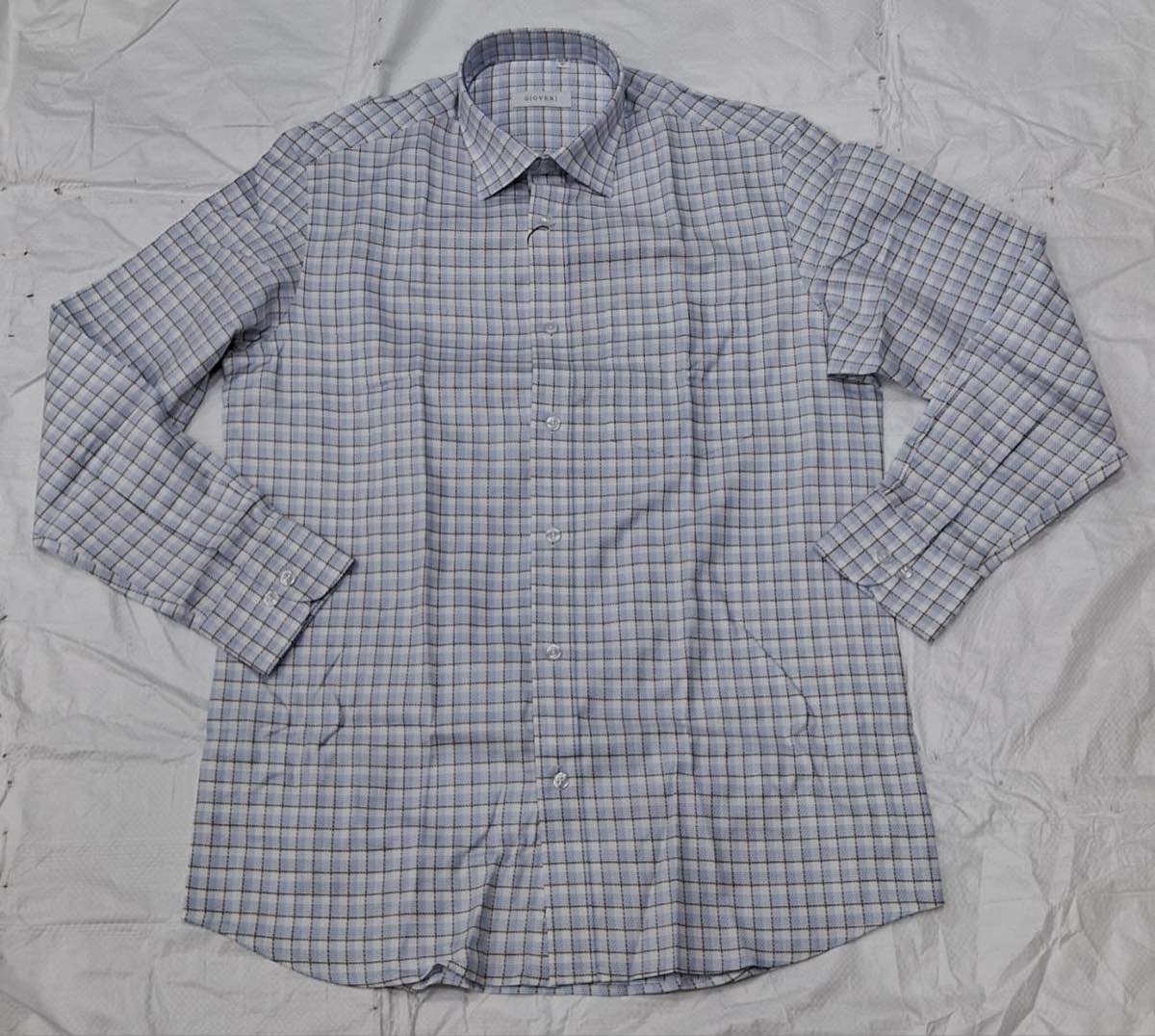
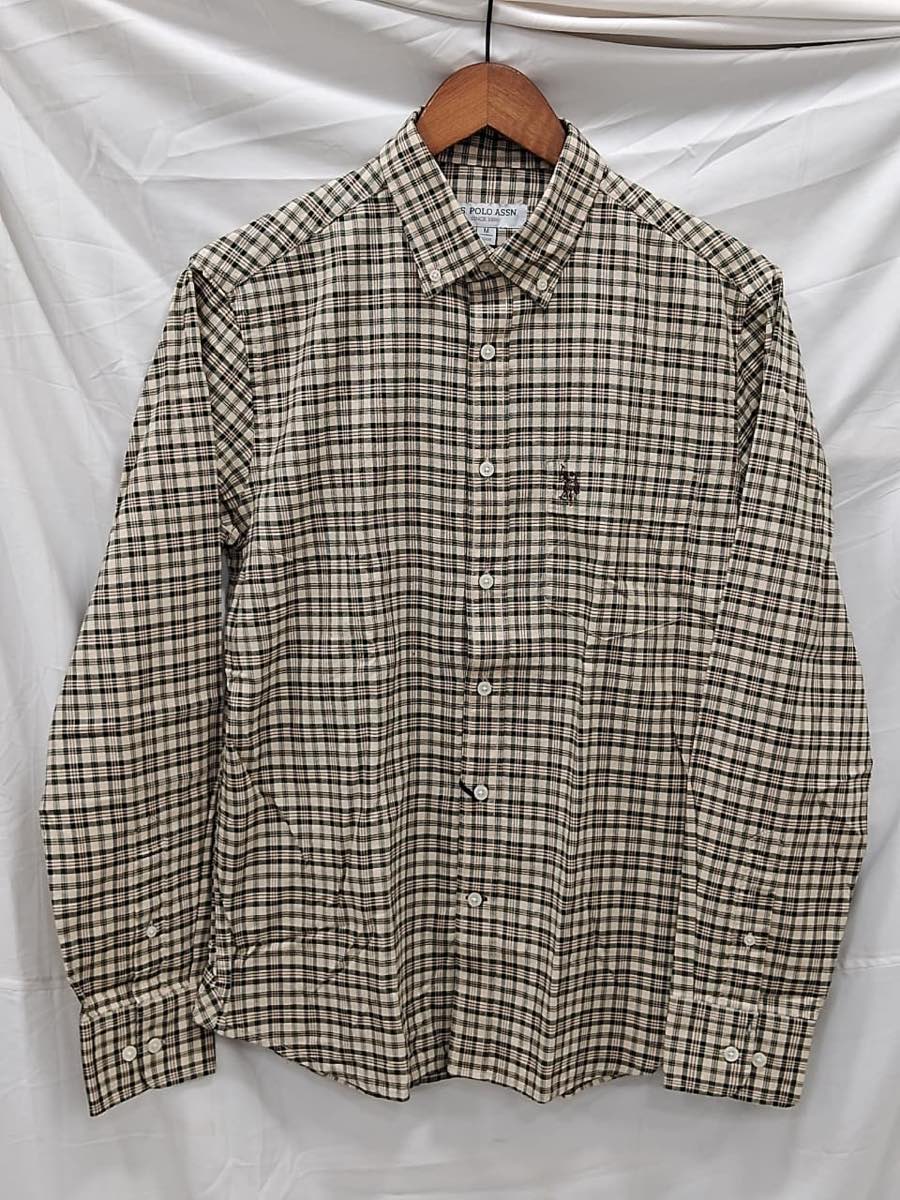
Fine checks — small grids, mini-ginghams, tattersall-style repeats — look textured up close and almost solid from a distance. That double life makes them some of the most versatile shirts in a working wardrobe.
A light blue or grey fine check behaves like a solid under a jacket but feels more relaxed when worn alone. Warmer, browner checks, like the hanger shirt shown, lean towards smart-casual and look natural with chinos and suede. The trick with ties is scale: choose a solid, or a pattern clearly larger or clearly smoother than the check, so the two never compete.
- Formality
- Medium-high in cool colours, medium in warm
- Pairs with
- Navy, grey and khaki trousers; solid knitted ties; plain or subtly textured jackets.
Viewed from three distances
- Close up
- Across a desk
- Across a room
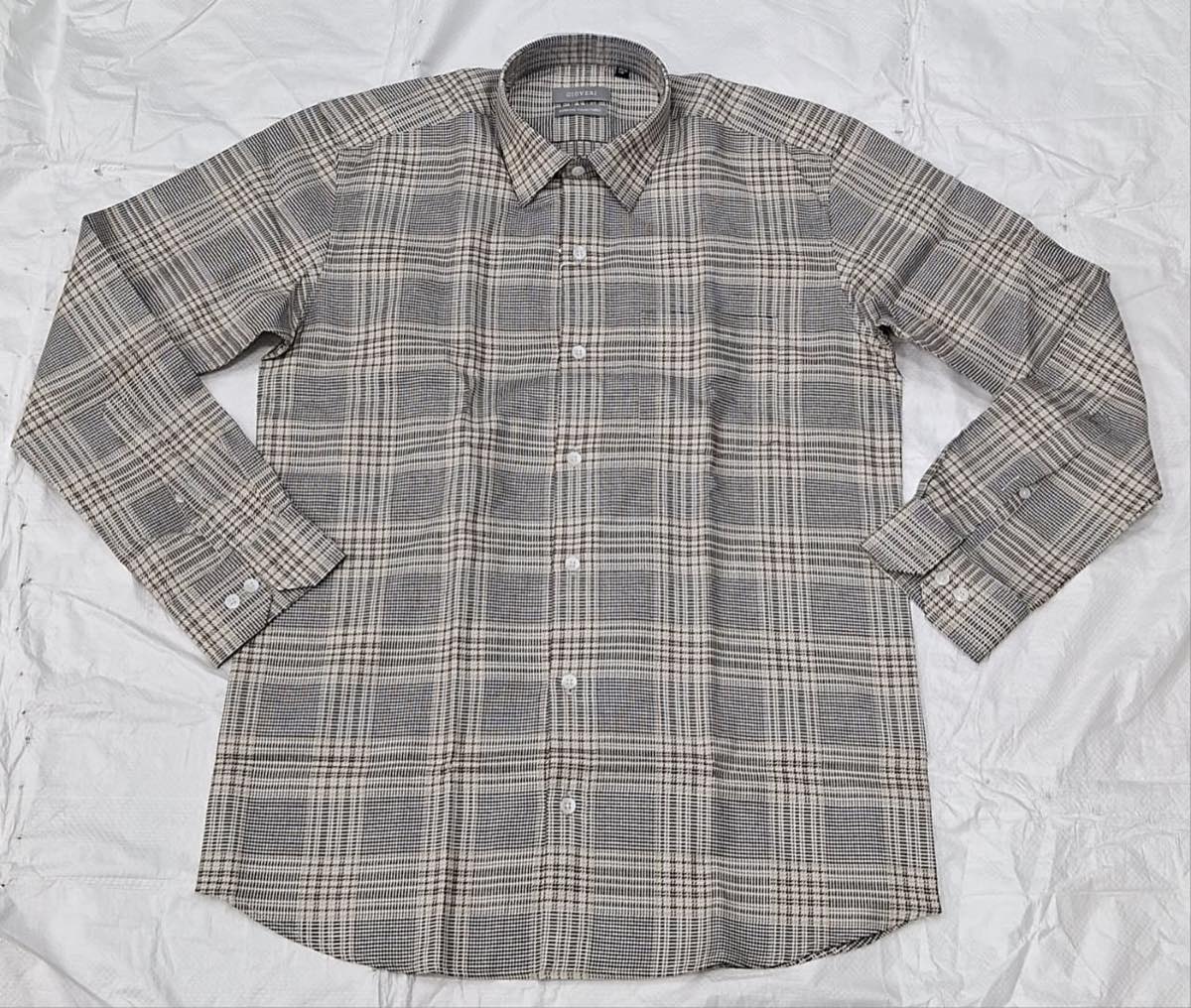
Windowpane
PAT.WPN — Scale: large · Contrast: low
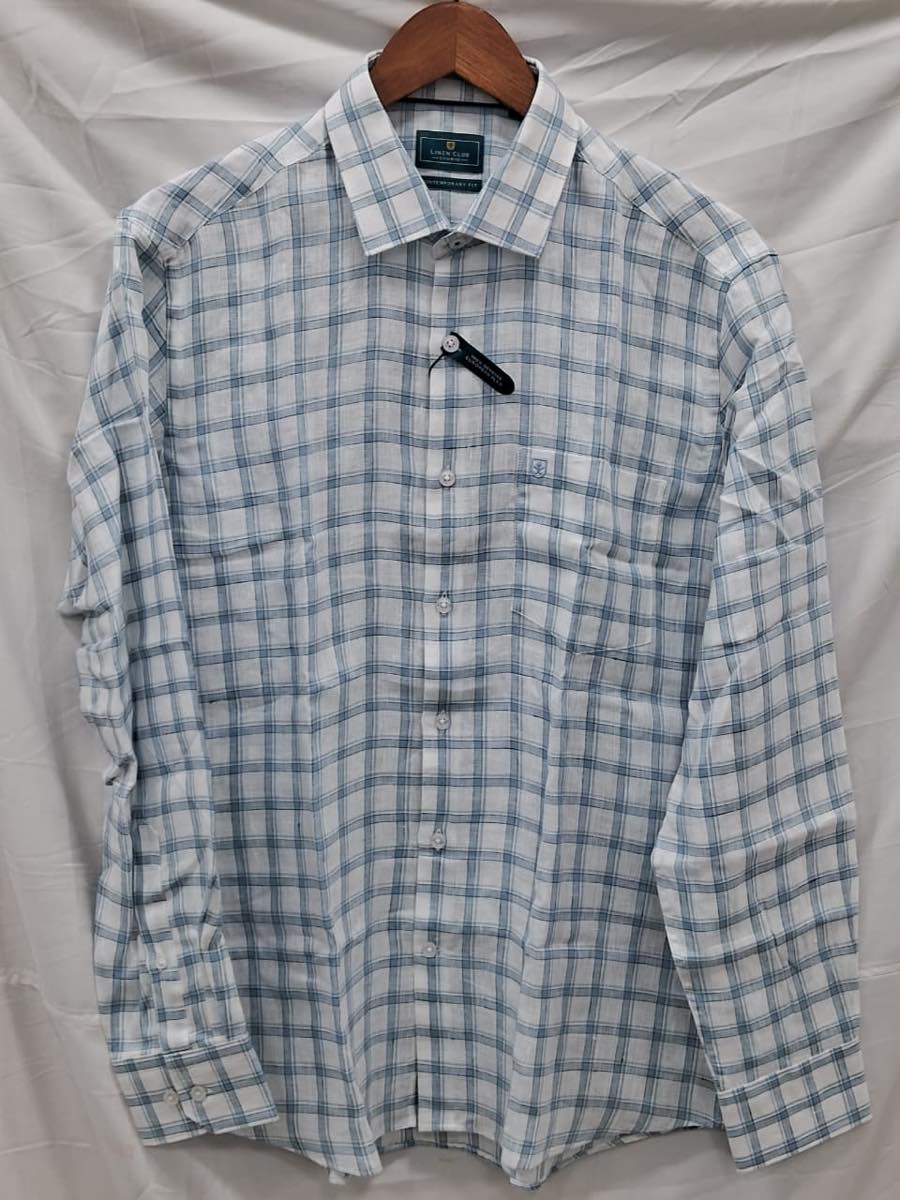
A windowpane is a large, open grid of thin lines, like the glazing bars of a window. Lots of ground, very little line — so even a big check can stay light and airy.
Because the lines are thin and usually low in contrast, windowpane shirts sit comfortably in offices, especially in pale blue or grey on white. They feel a little more relaxed than fine checks and make a good bridge between business and smart-casual. With a jacket, choose a solid; with a tie, choose a solid or a small, dense pattern that contrasts with the open grid.
- Formality
- Medium — relaxed business
- Pairs with
- Solid navy or charcoal trousers, plain blazers, solid or micro-pattern ties.
Viewed from three distances
- Close up
- Across a desk
- Across a room
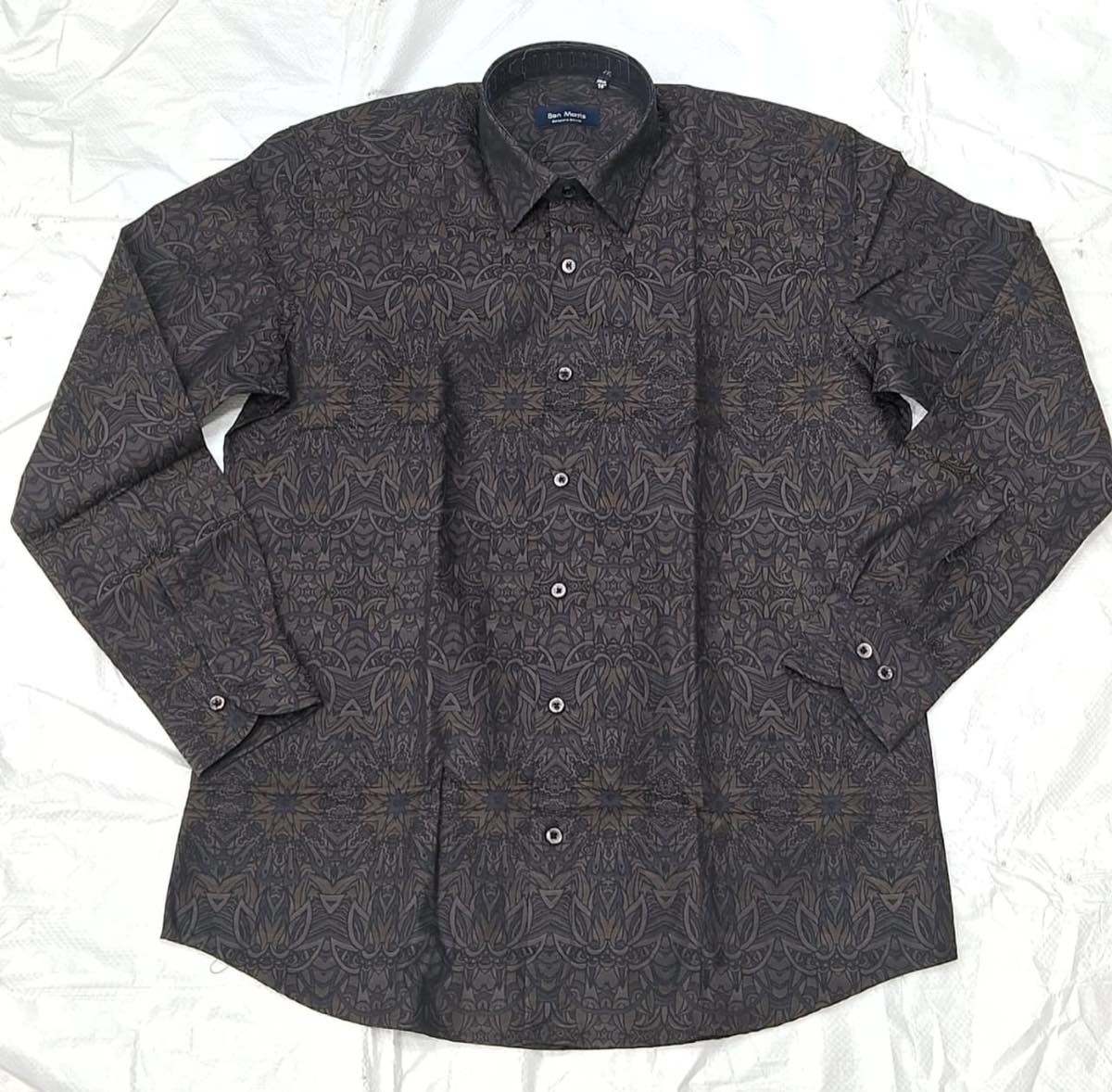
Geometric
PAT.GEO — Scale: micro to medium · Contrast: low
Geometric and micro-motif shirts — small paisleys, dots, diamonds, interlocking shapes — reward a closer look. From a distance they read as a textured colour; up close they reveal a pattern.
Keep the motif small and the contrast low for the office: a charcoal micro-paisley like the one shown looks like a rich, deep grey across a meeting table. Larger or higher-contrast motifs are better kept for evenings and celebrations. These shirts are at their best with no tie, or with a plain solid one, and with plain trousers.
- Formality
- Medium-low — evenings, creative offices
- Pairs with
- Solid charcoal, black or navy trousers; plain jackets; no tie or a solid one.
Viewed from three distances
- Close up
- Across a desk
- Across a room
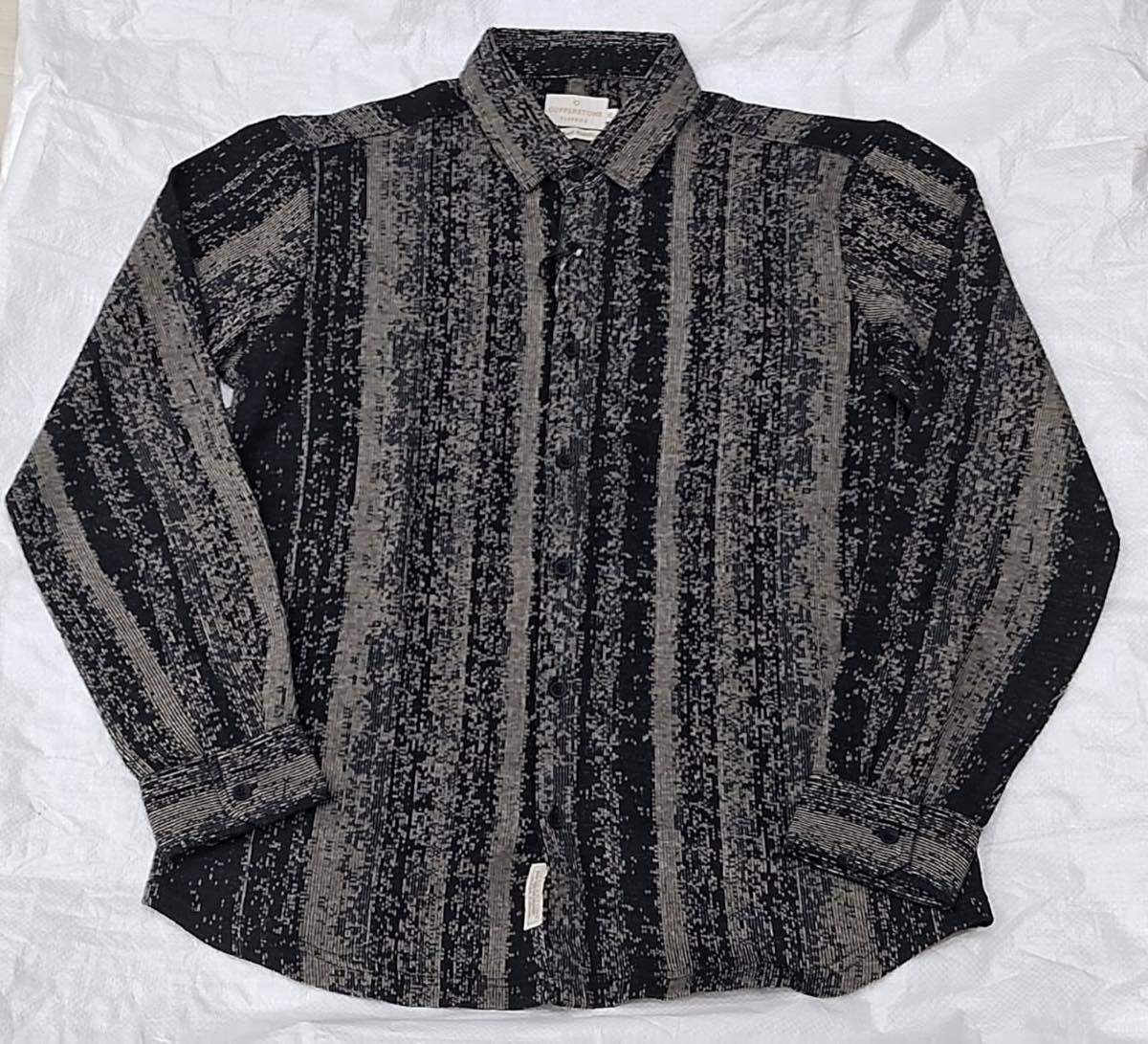
Textured
PAT.TEX — Pattern made by the weave
Textured shirts create pattern through the cloth itself — slub yarns, dobby weaves, irregular stripes — rather than through printed or dyed lines. The effect is depth and movement.
Fine textures, such as a dobby or a subtle herringbone, are office-appropriate and add interest to a plain colour. Bolder textures, like the black and grey stripe shown here with its broken, uneven lines, are expressive and best for evenings and smart-casual occasions. When the shirt is this textured, let it be the only strong element: solid trousers, plain shoes, no busy tie.
- Formality
- Fine textures high; bold textures low
- Pairs with
- Black or charcoal trousers, smooth leather shoes, minimal accessories. See textured fabrics in the Fabric Notebook.
Viewed from three distances
- Close up
- Across a desk
- Across a room
Mixing pattern with pattern
- 01
Vary the scale
A fine-striped shirt with a broad-striped tie works; two stripes of the same width shimmer and compete.
- 02
Share one colour
Let the tie pick up a colour already in the shirt — a burgundy tie on a navy and burgundy pinstripe ties the look together.
- 03
One loud, the rest quiet
A Bengal stripe or bold texture deserves solid trousers and a plain jacket. Only one element should speak loudly.
- 04
Formal means smaller
For interviews, boardrooms and ceremonies, choose solids and the finest patterns in the lowest contrast.
Keep reading
- Journal 13Choosing shirt colours for professional dressing
- Journal 02White shirts: a foundation of men's formal dressing
- Journal 09Striped vs checked formal shirts
- Journal 08How to coordinate formal shirts with trousers
- Nº 07The Business Wardrobe — men's office wear by occasion
- Nº 02The Formal Shirt Index — solid, striped and checked
Want to see these colours and patterns in cloth rather than on screen? Visit Options Mall at Vile Parle Shopping Centre, V.M. Road, Juhu, or call +91 8369381345 and ask the team about current styles. Contact & directions